Collect the documents
Four things, every file, no exceptions: bank statements, processing statements if they take cards, a voided check or bank letter, and a driver's license. Miss one and the file is not complete — it is a promise to go get it later.
1 · Bank statements
3 months standard — 4 in New York and California
The base requirement everywhere is the most recent 3 months of business bank statements. That is what the application asks for and what most funders will start with.
New York and California need 4 full months
If the business is in either state, collect a fourth month up front. Finding this out after the file is already submitted means going back to the merchant a second time for the one thing that should have been asked for on the first call.
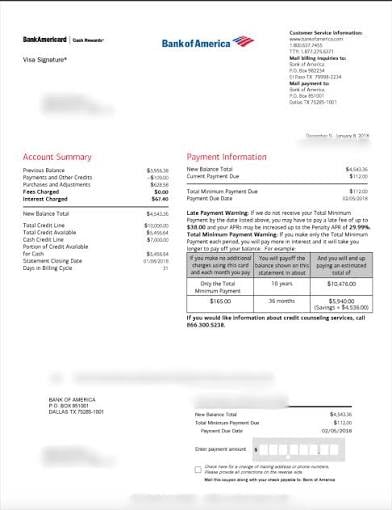
A real example: the Paradise Towing statement on file is a single month. For a business outside NY/CA that is enough to start a conversation — but it is not a complete file on its own, and never represents it as one.
View the Paradise Towing statementExample — a real bank statement
2 · Processing statements
If they take cards, get these too
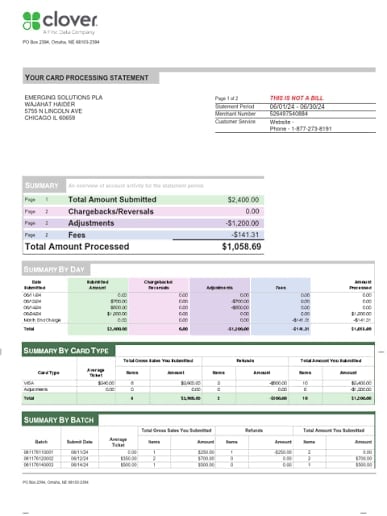
A processing statement shows the volume a funder can't see on a bank statement alone — total submitted, chargebacks, adjustments, fees, and the breakdown by day and card type. For a merchant who runs card-heavy, this is as important as the bank statements.
Ask directly: "who do you process cards through?" Clover, Square, or any processor — the merchant can usually download this straight from their processor's dashboard in a minute.
No card processing? Skip this one — do not chase a document that doesn't exist.
3 · Voided check or certified bank letter
Proof of the account funds land in
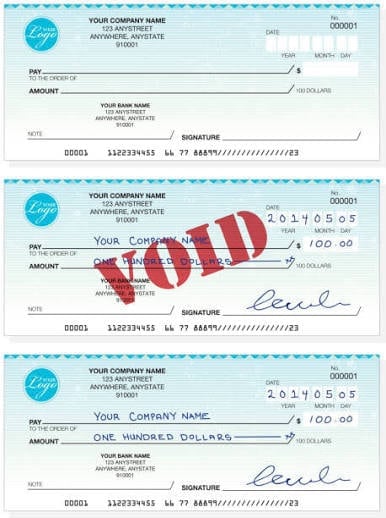
A voided check — the standard option
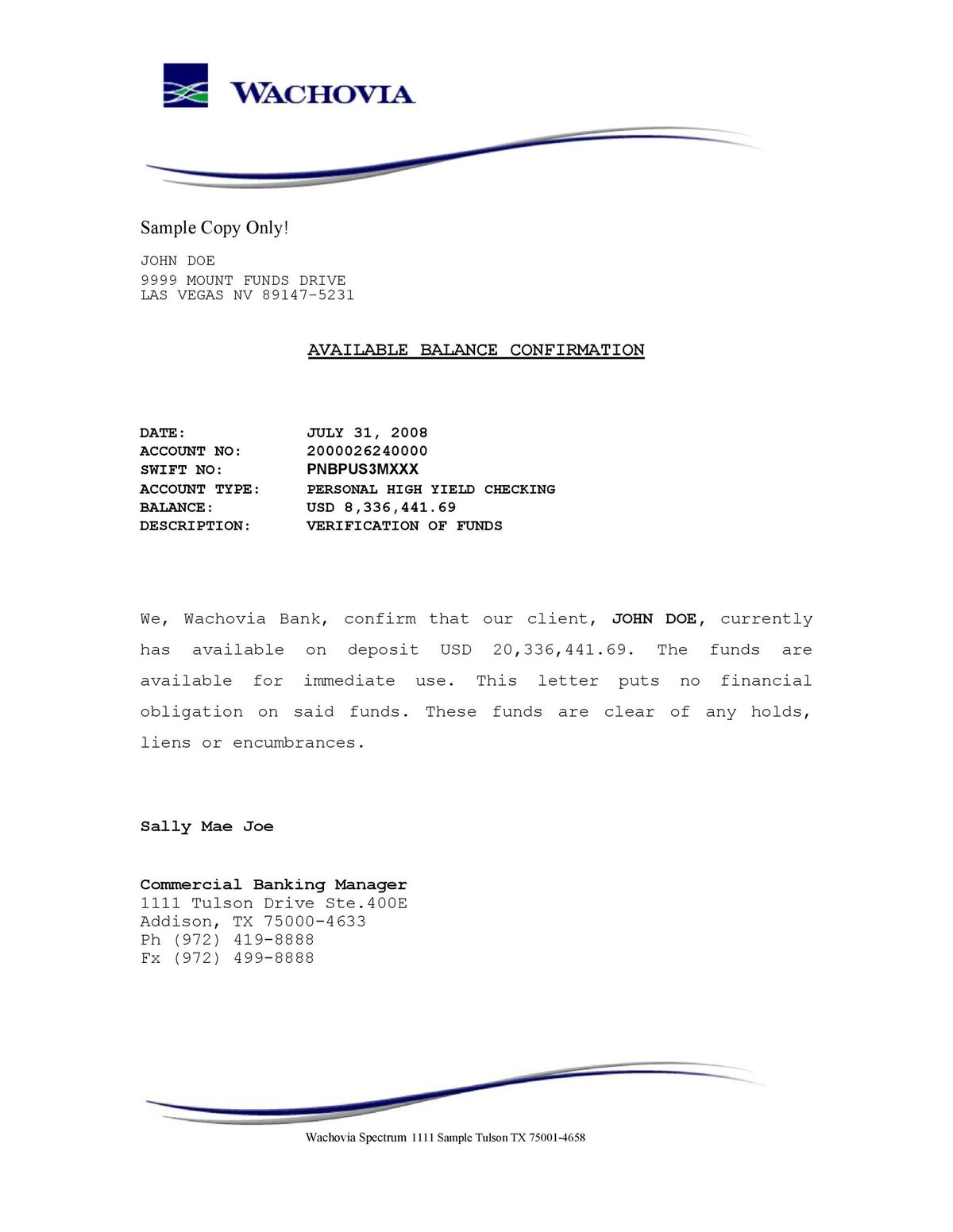
A certified bank letter — if there's no physical check
Most merchants can supply a voided check in a minute. If the business only banks online and has no physical checks, a certified bank letter confirming the account works the same way — it just needs to come from the bank, not be self-written.
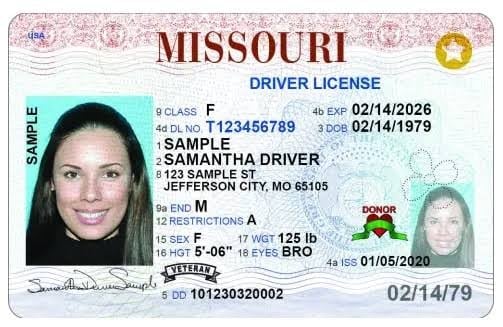
4 · Driver's license
Front and back, from the primary owner
This belongs to the owner or principal named on the application — name, date of birth, and address must match what they entered. A mismatch here is the single fastest way to stall underwriting.
Collect both sides. Funders check the back for the state's security features; a front-only upload gets kicked back.
All four sync straight to the Documents tab
Upload through the application and it auto-syncs into Go High Level. If the merchant fills the application out themselves, the same thing happens on their end. Either way — check the Documents tab before you close the call, not after.